
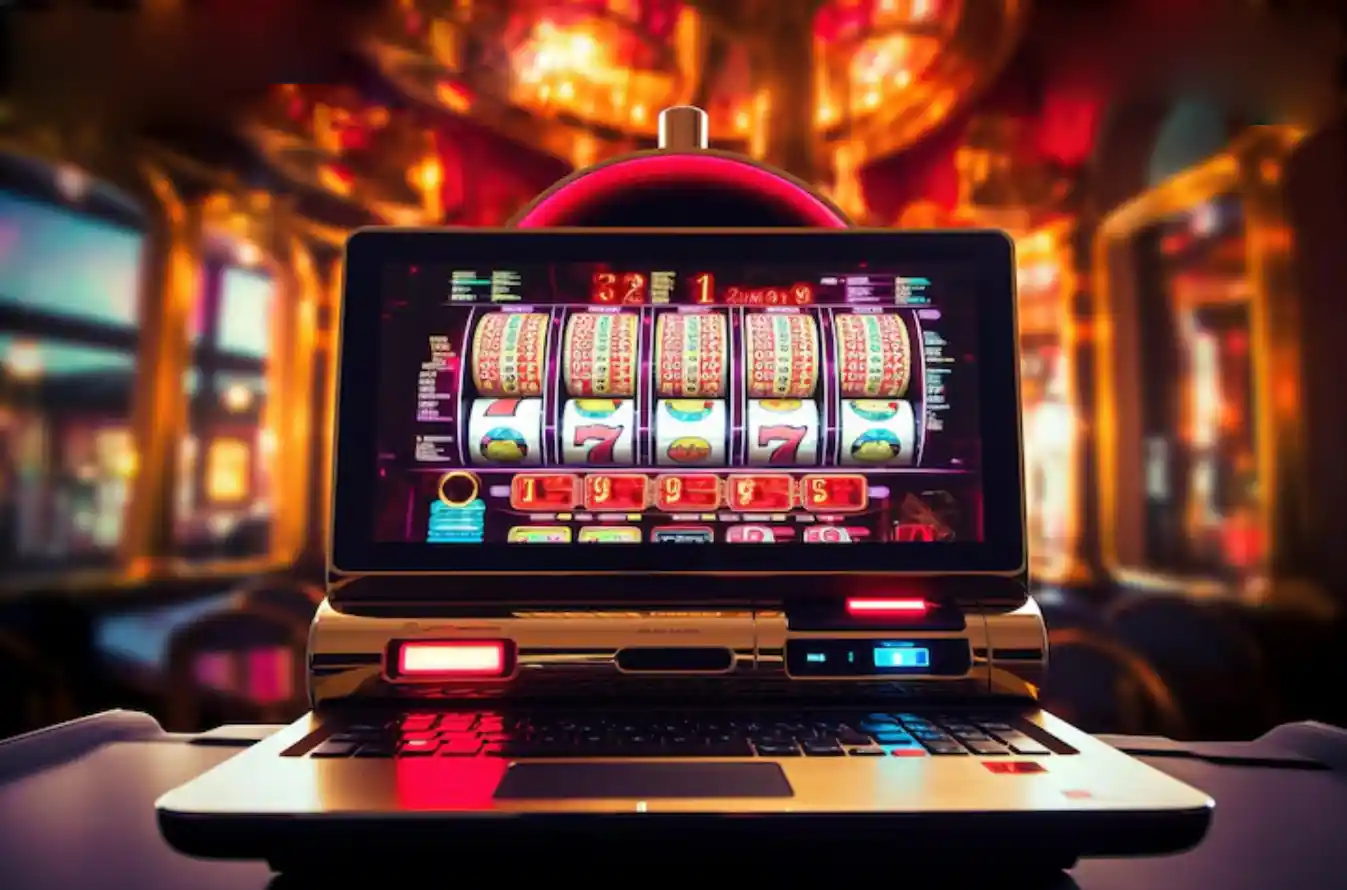
In Mymensingh, choosing a game isn’t usually about “personal taste” – it’s about your surroundings. During the day, you’re on the move: the heat, the errands, the traffic, and the constant chatter around you. In these hours, you’re drawn to a format where a decision takes a split second: press the button, get the result, and move on.
But in the evening, the city finally exhales. It’s quieter at home, time isn’t pushing you from behind, and you find the patience for a game with pauses. Waiting for a deal, maintaining a steady tempo, not rushing the button – Roulette or cards feel more natural on evenings like these than an endless stream of spins.
Most of the time, choosing a genre is like picking clothes for the weather: it’s not about “what I love forever,” but rather “what won’t feel like a burden right now.”
The Magic of the Spin
A slot doesn’t require you to be intensely focused for ten minutes straight. It lives in seconds, which matches that state of mind where your attention is fragmented – a bit of fatigue, a bit of irritation, and a simple desire for a distraction right now.
You aren’t building a plan, calculating a move, or holding a line. The result comes from the outside. Sometimes this feels like a relief: “I don’t owe anything to this; I’m just watching what lands.”
Where the Sense of Control Emerges
On the other hand, people often prefer Roulette, Blackjack, or Teen Patti not because they are “special,” but because they feel more comfortable with structure. You don’t need to be a tech expert – some people simply feel calmer when a game provides a sense of order: rules, a tempo, and a moment to make a decision.
Even if the maths doesn’t make the game truly “controllable,” the difference in perception is significant:
- Slots are short bursts of light.
- Table Games are a dialogue with tempo: you wait, you choose, and you keep your composure.
There’s also a cultural thread that is easily recognised in Bangladesh: card formats have been familiar to many since childhood. Not as “casinos,” but as a standard way to spend an evening where ritual, order, and watching people matter. This is why Teen Patti or Blackjack doesn’t feel like a new world to many – they simply port a familiar style of relaxation onto a smartphone screen.
Tempo and Budget: How Playstyle Changes Spending
From a technical standpoint, the difference is straightforward: a slot usually drains a balance drop by drop, but rapidly. You barely notice time passing because the cycle is short and the repetitions are many.
Table formats generally stretch the process out. Even if the stakes are the same, there are more pauses: you have to wait for the deal, the spin of the wheel, or the dealer’s actions. Because of this, many find it easier to keep their discipline – not because they are “stronger,” but because the game itself provides the brakes.
However, the opposite can happen: if someone enters a table game in a state of internal restlessness, the stakes can rise more sharply – simply because the decisions feel more “conscious,” giving the illusion of a right to speed up.
Who You Are Today Defines the Format
If it’s noisy inside your head, you’re drawn to the short cycle. If you want a pause, you’re drawn to tempo and anticipation. And if you’re specifically chasing acceleration, it’s usually not about the genre, but about a state of mind seeking a release at any cost.
In the end, the “which is better” debate misses the mark. You pick slots when you want a quick answer. You pick “tables” when you want to stretch out the action and breathe between decisions. This is especially evident in Mymensingh: today you are patient – tomorrow you need that quick click while the shingara is frying.
So, which format suits your mood right now, now that the day in the city has finally come to a close?